There are places where nature is not just a landscape seen through the window, but an experience that is lived with all five senses. In the campsites of the Sènia Group, this happens every day. From the song of a bird at dawn to the starfish hiding between the rocks, here, natural life takes center stage. This guide is made for you, whether you are traveling with your family or as a couple and looking for more than just relaxation: you want a true connection with nature.
In this article, you will discover the biodiversity surrounding our campsites, which species you can find inside or near their premises, how to observe them with respect, and what activities you can do to enjoy the environment. An experience designed to reconnect, learn, and share unforgettable moments.
Terrestrial fauna: tracks, sounds, and surprises in the forest
The natural surroundings of the Sènia Group campsites are home to a great diversity of terrestrial species. Often unnoticed at first sight, if you walk attentively, you will find clear signs of their presence: tracks on the path, sounds at dusk, or small movements between the vegetation.
Among the most common mammals, the European hedgehog stands out, a frequent visitor to quiet gardens or bushy areas. In forested areas like Les Gavarres or Montseny, you can find traces of wild boars, red foxes, or even European badgers. The common genets, a small carnivore with nocturnal habits, also live in these areas, moving agilely between branches and rocks.
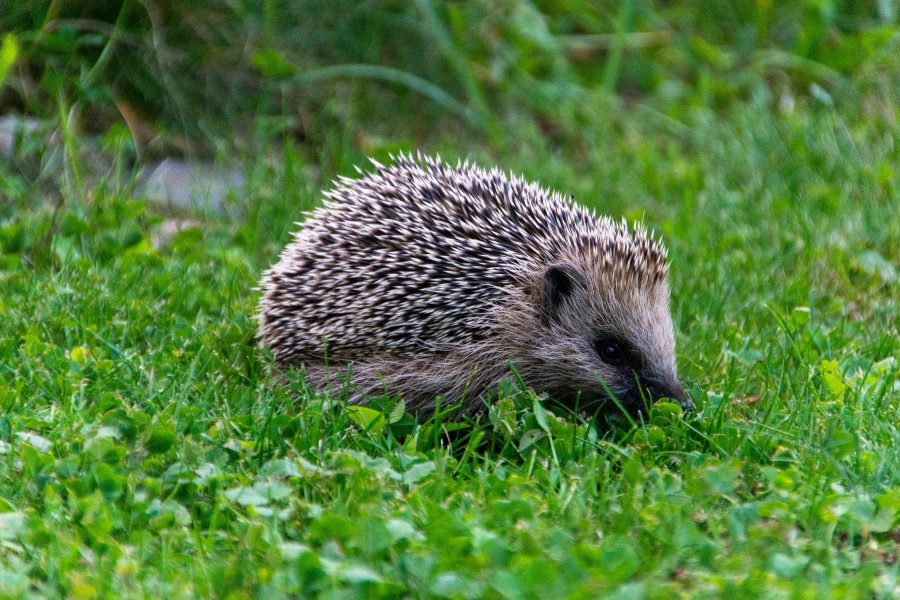
Observing them in the wild requires patience, respect, and sometimes a bit of luck. But knowing they are there, sharing the same natural space, transforms any walk into something special.
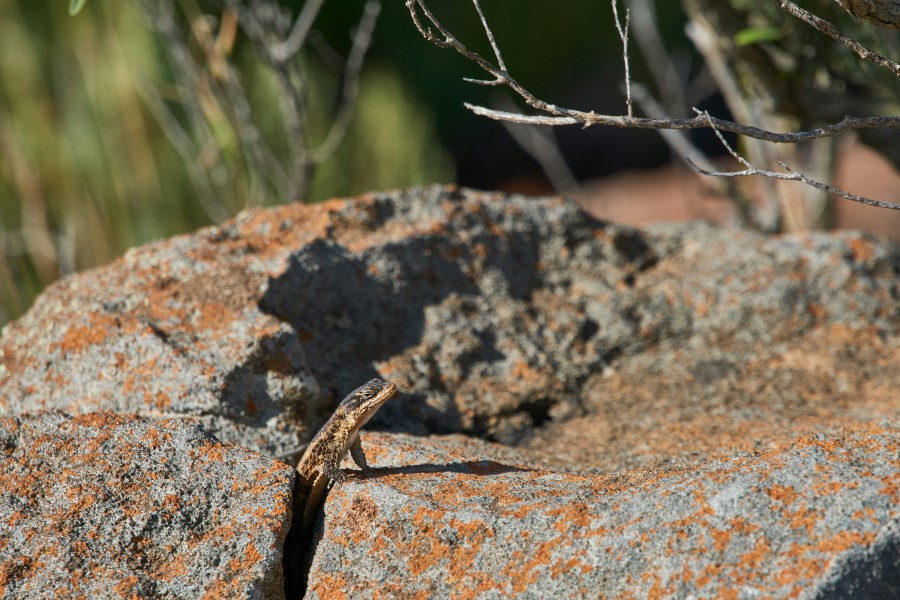
Reptiles are easier to spot, especially on sunny days. Iberian wall lizards come out to warm up on stones and logs, while common wall geckos appear at dusk, climbing walls in search of insects. They are harmless, very beneficial to the environment, and always spark the curiosity of the little ones.
Family activity suggestion: After a walk, try to remember how many signs you’ve seen: tracks, droppings, burrows, sounds… You can invent a story about what might have passed through there. This encourages observation and imagination without the need to see the animal.
Birds: melodies and flights in every corner
Birdwatching is one of the most rewarding and accessible activities for those who enjoy nature. In the campsites of the Sènia Group, both along the coast and inland, birds form part of the sound and visual landscape from the first moment of the day.
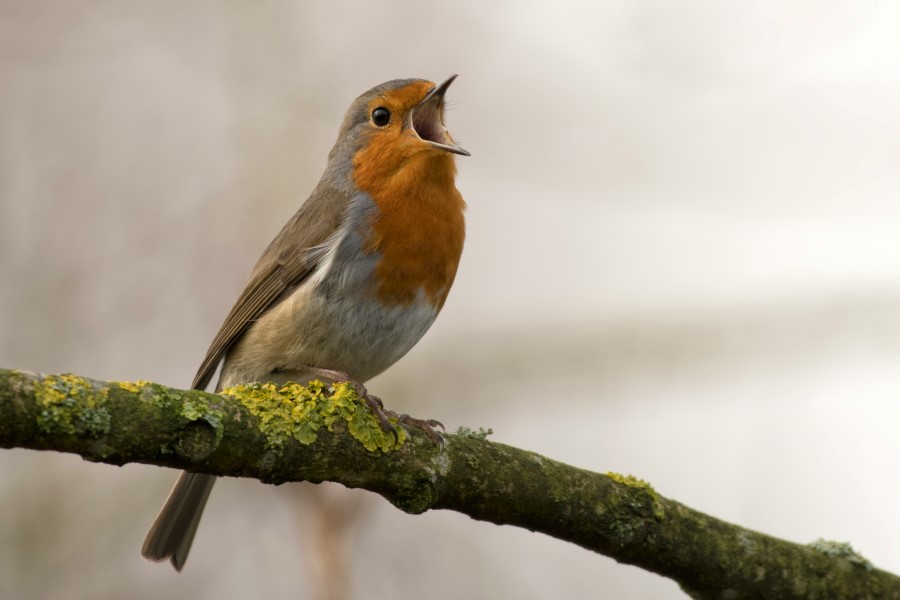
In more forested areas, like those around the Calonge campsites (Camping Cala Gogo Internacional) or Rupit (Camping Sènia Rupit), species like the Sardinian warbler, European robin, common blackbird, or coal tit can be heard and seen. In bushes and pine forests, it’s not uncommon to spot the woodchat shrike, a small bird that perches high on branches.
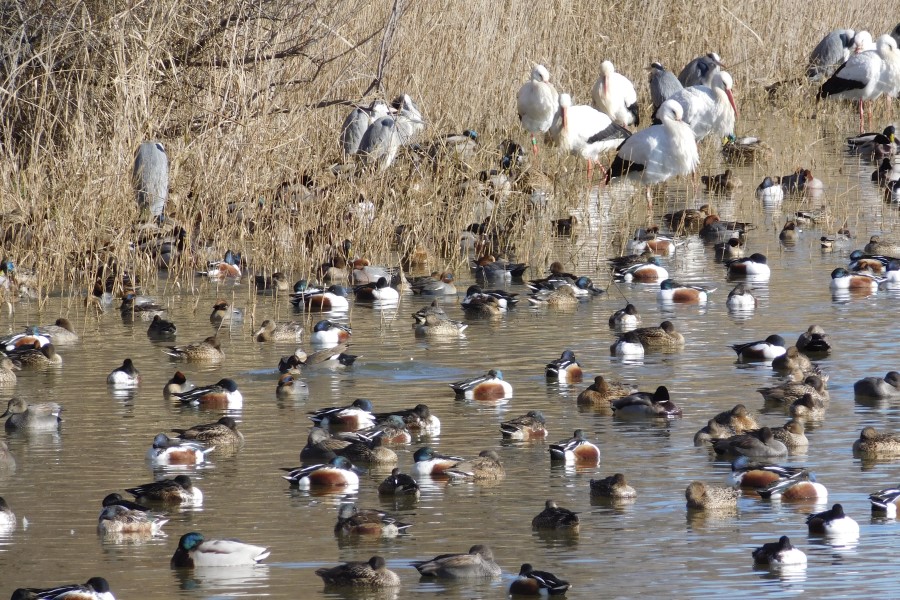
In damp areas near the Aiguamolls de l'Empordà and at the mouth of the Fluvià River, the spectacle grows: grey herons, Black-crowned night heron, cormorants, mallards, and sometimes even ospreys soar through the skies or rest by the water's edge.
Birdwatching can be done at any time of day, although early morning or dusk tend to be the best times. You just need silence, a bit of patience, and a willingness to be surprised.
Practical Tip: Download the free Merlin Bird ID app (iOS 16 or higher, Android 6 or higher). You just need to record the sound of a bird, and the app will suggest which species it could be. It's like having a bird guide in your pocket.
Mediterranean Flora: Beauty You Can Breathe In
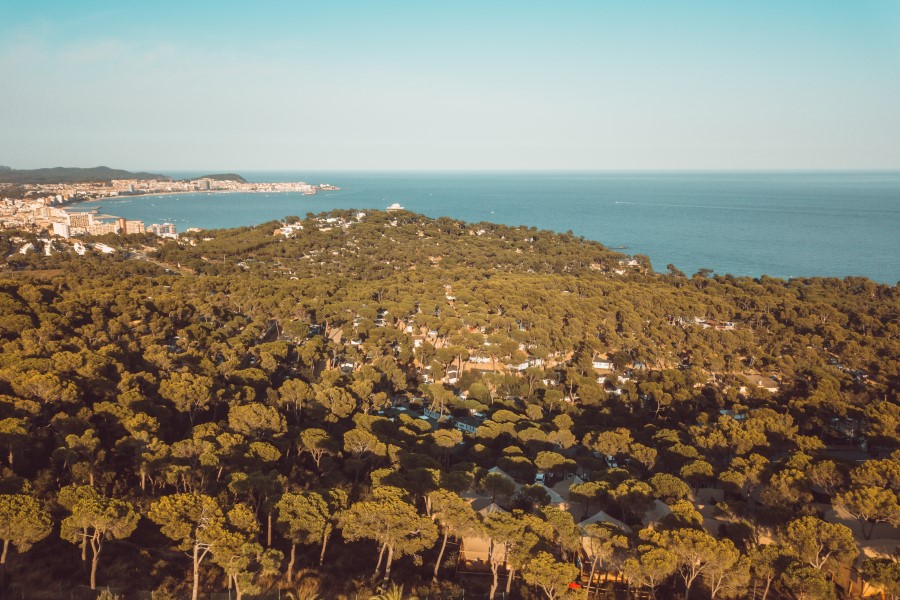
Mediterranean vegetation is much more than a green backdrop: it’s aroma, texture, color, and a refuge for hundreds of species. At the Sènia Group campsites, the native flora not only beautifies the landscape but also actively integrates into communal spaces and surrounding areas, inviting you to walk, breathe, and observe with new eyes.
Walking among Mediterranean stone pines, sturdy evergreen oaks, rugged cork oaks, or wild olive trees is part of the everyday experience. But so is stopping to smell blooming rosemary, thyme under the sun, or being amazed by the fragrance of wild lavender along your route.
A Complete Ecosystem at Your Feet
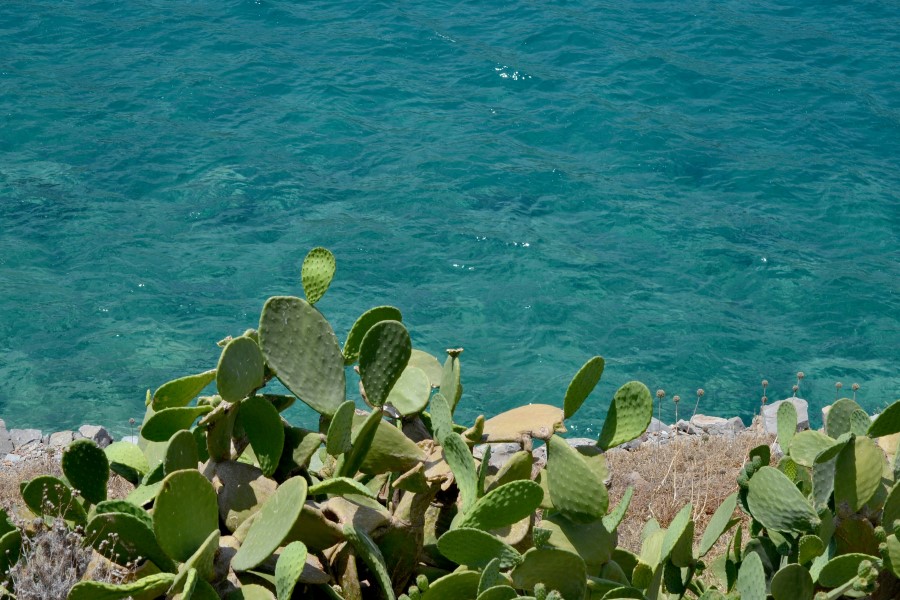
It’s not just the trees that define the landscape: the Mediterranean scrub, formed by gum rockroses, mastic trees, Spanish broom, prickly pears, and Mediterranean smillax (sarsaparille), offers a mosaic of shapes and colors that changes with the seasons. In spring, a multitude of wildflowers carpet the edges of paths, attracting butterflies, bees, and other essential pollinators.
Little ones especially enjoy this explosion of life: they can learn to recognize plants by their smell, shape, or even texture, observing, touching with respect, and letting themselves be amazed.
Practical Tip: Download the free Flora Incognita app (Android 7 or higher and iOS 13 or higher) to identify plants and flowers during your walks. Just take one or more photos, and the app will accurately recognize the species. You can even save your discoveries as a personalized digital herbarium, perfect for enjoying with kids… without picking any plants.
Vegetation That Takes Care of the Environment
At our campsites, we select native plant species for landscaping common areas. This promotes local biodiversity, reduces the need for irrigation, and allows the flora to develop naturally. Additionally, it helps maintain a healthy environment for both people and the fauna living nearby: beneficial insects, birds, small mammals…
This type of vegetation also has great emotional value: it provides shade, coolness, and calm, transforming every corner into a welcoming space that invites you to disconnect from the noise and reconnect with the essentials.
Aquatic Biodiversity: A Universe Bubbling Below the Surface
Water, whether salty or fresh, is a vibrant ecosystem full of life. In the environments surrounding our campsites, both the coast and the river offer the opportunity to discover fascinating species without straying far from the accommodation.
Marine Life: The Submerged Treasure of Costa Brava and Maresme
In coastal areas like those of Costa Brava or Maresme, the seabeds near our campsites are home to a great diversity of species. You don’t need to be a professional diver to discover this world: with a simple snorkel and curiosity, you can enjoy it as a family.
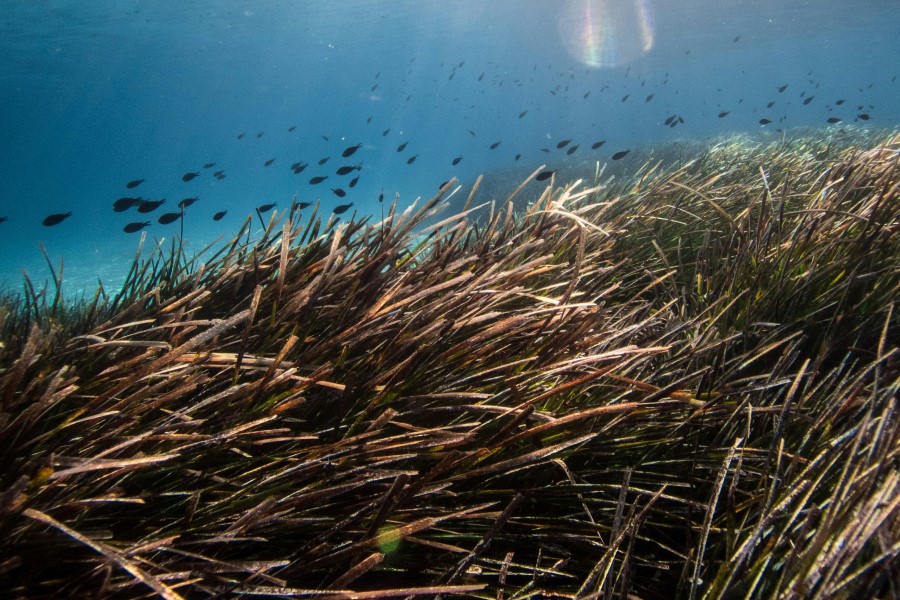
During a dive in calm waters or a kayak excursion, you can easily spot fish like gilt-head bream, common white seabream, dreamfish, or saddled seabream, swimming in schools among rocks and underwater meadows. The latter, Neptune grass meadows, are true underwater gardens of the Mediterranean, crucial for marine life and the ecological balance of our coasts.
In rockier areas, if you observe calmly, you’ll find starfish, sea anemones swaying with the currents, sea urchins camouflaging between crevices, or even a common octopus, changing color and texture to blend into its surroundings. And if you’re lucky enough to snorkel with a specialized guide, you might even see the discreet and magical long-snouted seahorse, a symbol of well-preserved seabeds.
Family Tip: Turn the activity into an observation game. Who can find a starfish first? Who can spot more colors in a single fish? Just observe calmly, move slowly… and enjoy.
Recommended Spots to Explore the Seabed
If you want to go a step further, we recommend a few areas near our campsites that are perfect for discovering marine biodiversity:
- Islas Formigues: Small islets off the coast of Palamós and Palafrugell, ideal for snorkeling from a kayak or boat.
- Medes Islands Marine Reserve: Near l'Estartit, with more than 1,200 documented species. Perfect for guided trips.
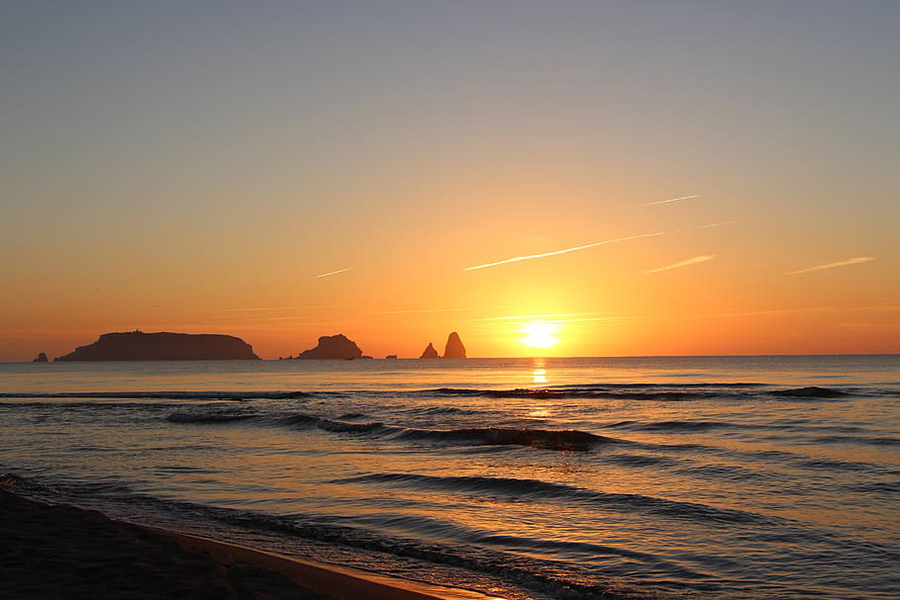
- Palamós Canyon: A deep underwater ecosystem, home to protected species and corals.
- Cap de Creus: Coves like Cala Culip or Cap Norfeu are ideal for aquatic excursions with snorkeling.
- Blanes Canyon: A submarine formation off the coast with great ecological richness, home to corals, sponges, and gorgonians.
Ask at reception for organized excursions or recommended access points near your campsite.
River Life: The Fluvià River and Its Hidden Ecosystem
In the surroundings of Camping Sènia Riu, the River Fluvià offers a very different yet equally valuable experience. This Mediterranean river is home to typical freshwater species, such as the Eurasian otter, and a more serene landscape: perfect to explore at a relaxed pace as a couple or with the family.
In its waters, you’ll find native fish such as the southern barbel, chub, and flathead grey mullet. The presence of the European eel has also been documented, a species in decline, indicating the good ecological health of certain sections of the river.
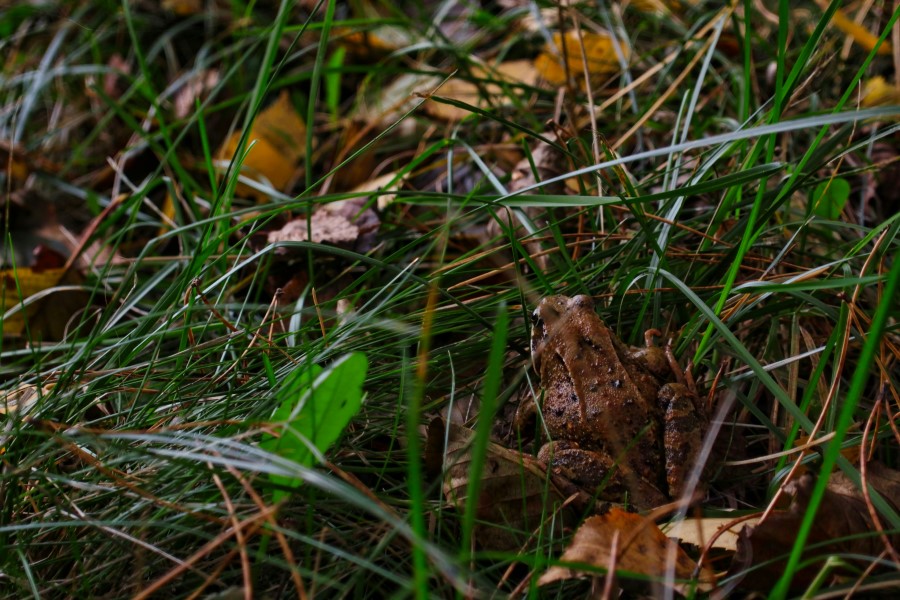
Additionally, the Fluvià is home to amphibians such as the Iberian green frog, common toad, and natterjack toad, which can be observed (or heard!) especially in spring, near wetland areas or ponds. These species play a key role in the ecosystem and are highly appreciated by young explorers, who often become mesmerized by their jumps or sounds.
In the riverbed and among the aquatic vegetation, you’ll also find invertebrates like dragonfly larvae, water beetles, and small crustaceans, all part of the delicate balance of the river ecosystem.
Tip: Unlike the sea, the river water isn’t always clear… but that makes it even more interesting! Observe the surface, listen to the sounds, and let your imagination run wild: what animals do you think are hiding beneath the water? You can make up stories, draw them afterward, or even write a collective story. A fun way to connect with nature without needing to see it directly.
Natural Parks Near Our Campsites
The surroundings of our campsites are full of protected natural spaces where you can discover even more flora and fauna, hike, bike, or simply breathe in peace.
Among the most notable are:
- Montgrí, Medes Islands, and Baix Ter Natural Park: Coastal and agricultural landscapes with easy routes, ideal for families.
- Aiguamolls de l'Empordà: Wetlands perfect for birdwatching and strolls on wooden walkways.
- Cap de Creus: A marine and terrestrial area with hidden coves and unique rock formations.
- Les Gavarres: Dense and peaceful Mediterranean forest, accessible from Calonge and Canyelles.
- La Garrotxa: Volcanic area with beech forests, close to our campsite in Rupit.
- Montseny: Biosphere Reserve with gentle routes from Camping Caballo de Mar.
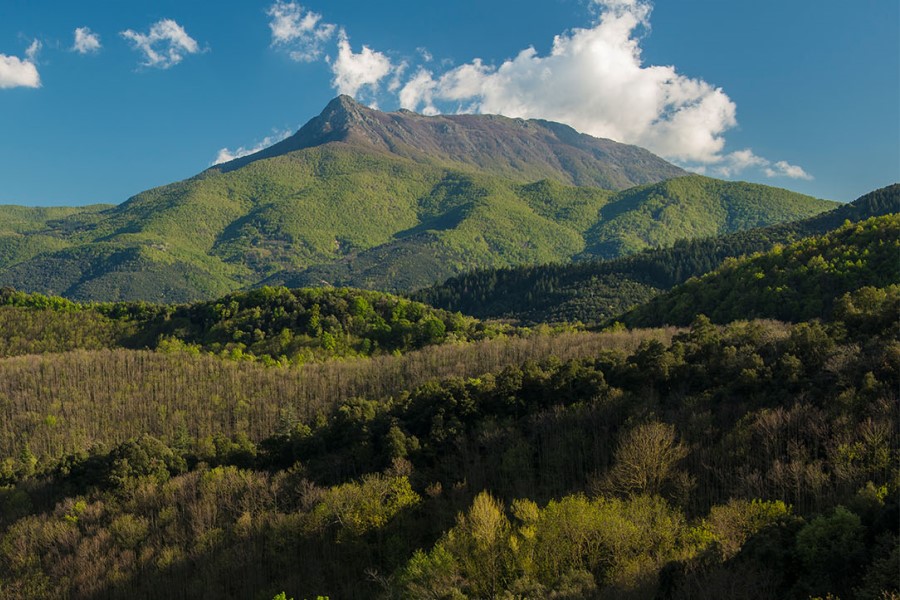
Discover our guide to European natural parks to explore with your family.
Discovering Nature with the Family
Nature isn’t just something to be observed; it’s something to be lived. Walking, observing, playing, or simply stopping to listen can become a very special form of connection for both adults and children. Here are some ideas and resources to make your stay at our campsites a fun, educational, and respectful experience.
Original Activities to Enjoy Outdoors
These simple activities don’t require special equipment and can be adapted to the age and interests of each family member:
Choose a moment of the day and stay silent for 2 or 3 minutes. Write down everything you hear: insects, leaves, wind, footsteps, water… Then, share your lists. You’ll be surprised at how many different sounds you’ve picked up!
With warm light flashlights, go for a walk after dinner. Look for geckos on the walls, listen to crickets, or identify silhouettes under the moonlight. The night’s nature is a whole new world to discover.
A notebook and colored pencils are all you need to create your own field journal. Kids can draw plants, note smells, invent names for what they see, or even record “magical sightings.”
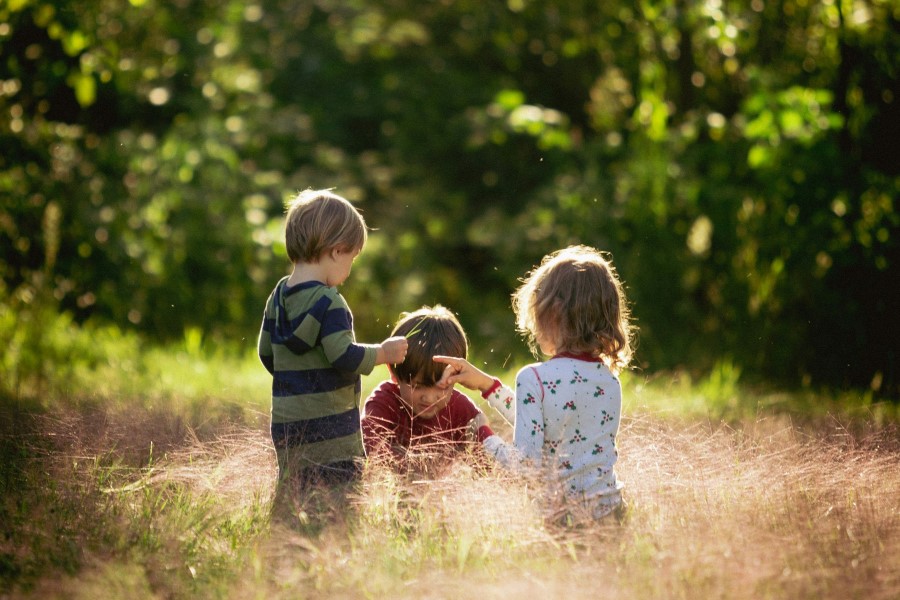
With branches, dry leaves, and stones, create small shelters for insects in a quiet area. After a few hours, return to see if anyone has moved in.
Draw a map of the campsite or a nearby trail and mark interesting spots: a big rock, a tree that looks like a letter, a flower with a blue petal... Then, swap maps with other members of the group and go search for the treasures.
Prepare a list of items to find (a pinecone, a purple flower, a large leaf, a feather…) and turn the walk into a team game.
Resources to Help You Observe Better
Some simple tools can make the experience of observing nature even richer, more engaging, and memorable:
Little-Known but Useful Apps
In addition to the mobile apps mentioned in the article (Merlin Bird ID and Flora Incognita), you can try these:
- PlantNet (Android 6.0 and up, iOS 13.4 and up): Similar to Flora Incognita, it allows you to identify plants and flowers through photos. It’s very visual and has a collaborative base.
- ObsIdentify (iOS 15.1 or higher, Android 8.0 or higher): Identifies insects, butterflies, fungi, and more. Based on citizen science, it’s ideal for observing without touching.
- Google Photos or Shared Gallery: Create a family nature album where each member uploads their best photos: a flower, a curious stone, an insect… Then, you can name them, invent stories, or just keep it as a souvenir of the trip.
Useful Objects for Little Explorers
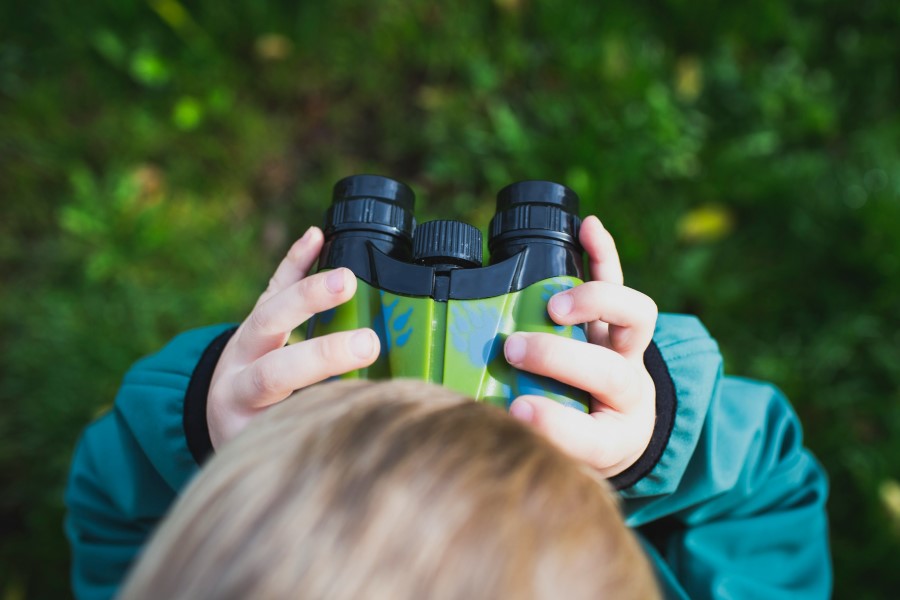
- Child-Friendly Binoculars: Lightweight and easy to focus on, perfect for seeing up close without disturbing animals or straying from the group.
- Field Magnifying Glass or Folding Magnifier: Great for observing details of leaves, insect wings, tree barks…
- Bug Viewer Box with Magnifying Glass: Allows you to observe insects respectfully for a few seconds before releasing them. It’s important to do this carefully and release them in the same spot where you found them.
- Waterproof Notebook or Hard-Covered Journal: For writing and drawing, even outdoors. Some are even designed to let you write underwater.
- Basic Compass or Finger Compass: A fun way to introduce navigation and stimulate the sense of adventure.
Tip: You can store everything in a small "explorer" backpack that the kids can carry on each outing.
How to Observe Without Disturbing the Environment
Learning to observe nature without leaving a trace is one of the best lessons you can teach the little ones. Here are some simple and effective guidelines:
- Don’t touch animals or pick plants, even if they seem common.
- Observe from a safe distance, without making loud noises or rushing toward them.
- Don’t leave food scraps or garbage, even biodegradable ones.
- Don’t step on vegetation areas or dunes, and always follow the marked paths.
- Avoid using bright flashlights at night near wildlife areas.
Remember: The best way to protect nature is to leave it as you found it. Observing without interfering is also a form of care.
Nature holidays are more than just a rest: they are an opportunity to observe, explore, learn, and reconnect with what truly matters. Whether underwater, among trees, or along a river trail, the flora and fauna of our campsites are waiting to gift you unforgettable moments. These holidays offer more than just a chance to unwind; they provide a unique opportunity to connect with nature, learn about its wonders, and share meaningful experiences with your loved ones.
Book your stay now at one of our campsites and experience a conscious holiday, full of discoveries and moments to remember.